About Tra-balliamo
Tra-balliamo — Italian for secondary schools
The title Tra-balliamo plays on the Italian verb ballare (“to dance”), reflecting the project’s goal of uniting language, movement, and culture in one creative, embodied experience.
The project led by Professor Laura Incalcaterra McLoughlin was funded by Post-Primary Languages Ireland (PPLI); the course -including the syllabus, aims and lesson plans- was designed and delivered by Dr Francesca Nicora and Dr Michela Dianetti in their capacity as research assistants.
The project introduces students to Italian through performative pedagogy — combining gestures, dance, and improvisation with vocabulary, pronunciation, and cultural discovery. Each session invites learners to move, speak, and feel the language, turning linguistic input into a physical and emotional experience.
Tra-balliamo was implemented across three Irish secondary schools in Galway (St. Mary's College, Our Lady's College, and Colaiste Ende), involving a total of 64 Transition Year students over several sessions. The initiative offers an innovative and inclusive way of teaching Italian through physical expression and performance.

Learning through our body
Drawing on the principles outlined in Dianetti and Nicora’s research (Didattica performativa: il corpo e la danza come strumenti di apprendimento linguistico), Tra-balliamo uses performative pedagogy to transform language learning into a multisensory experience. The method combines movement, rhythm, and gesture with linguistic input, activating multiple perceptual channels — visual, auditory, and kinesthetic — to reinforce comprehension and retention.
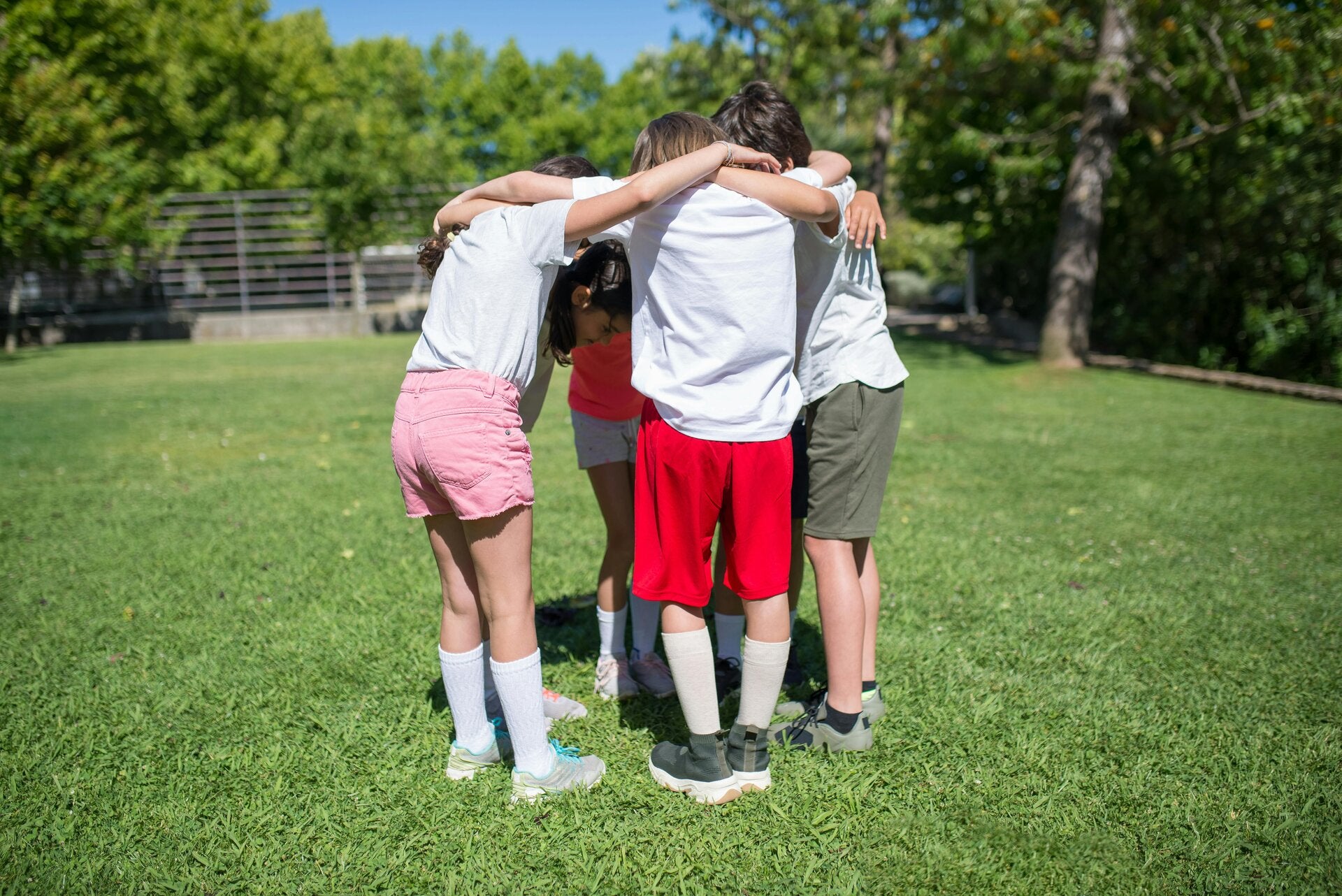
Students are encouraged to learn through doing: classroom routines involve movement-based tasks, short choreographies, and improvisational exercises that promote collaboration, trust, and social connection. Traditional Italian dances are introduced to highlight the intercultural dimension, while theatre-based activities — such as mime, vocal imitation, and dramatic expression — strengthen students’ pronunciation, rhythm, and confidence in speaking.
Each cycle culminates in a creative final task — a choreography and a short performance — allowing students to take ownership of their learning and experience Italian as a living, dynamic language.

Impact & Methodology
Tra-balliamo has shown how body awareness and movement can enhance linguistic and cultural understanding. By alternating brief physical activities with moments of linguistic reflection, students develop not only the four core skills — reading, writing, speaking, and listening — but also transversal competences such as cooperation, empathy, and creativity.
This embodied approach helps reduce anxiety, increase focus, and foster a sense of well-being, all of which are essential to successful language acquisition. The project demonstrates that language learning is most effective when the mind, body, and emotions are engaged together, creating lasting connections between words, actions, and meaning.
Beyond its immediate classroom success, Tra-balliamo stands as a valuable teaching resource for Italian educators. The materials, methods, and activities developed through the project provide a model for teaching Italian — and foreign languages in general — in a performative, movement-based way, enriching language education with creativity, expressiveness, and cultural depth.
Create Your Own Website With Webador